
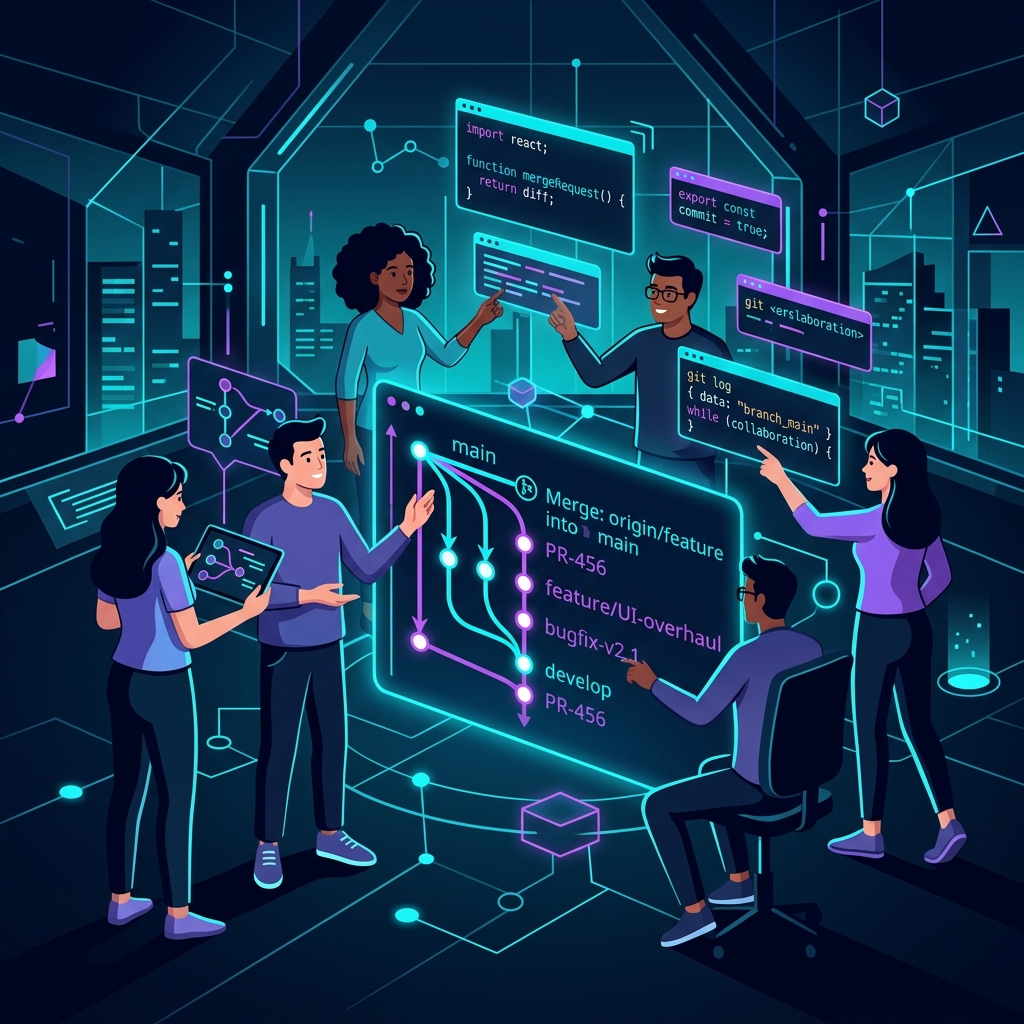
Introduction to open source contributions in engineering culture
In the modern technical landscape, open source contributions in engineering culture has quickly evolved from an experimental option into a critical business necessity. Organizations across all sectors, ranging from lean startups to established global enterprises, are realizing that old-school paradigms no longer provide the responsiveness required to compete. By adopting a modern approach centered around open source contributions in engineering culture, engineering teams are unlocking unprecedented levels of productivity and stability, paving the way for the next generation of digital excellence.
Core Architecture and Key Elements
Implementing a successful strategy around open source contributions in engineering culture relies heavily on several foundational design decisions and operational methodologies:
- Skills Enrichment: Contributing upstream exposes developers to global code standards, improving their system design skills. In today's hyper-competitive digital space, prioritizing this helps developers solve bottlenecks, avoid regression errors, and keep the user experience smooth and seamless.
- Brand Advocacy: Allowing engineers to publish work under open source establishes the company as a tech-forward leader. In today's hyper-competitive digital space, prioritizing this helps developers solve bottlenecks, avoid regression errors, and keep the user experience smooth and seamless.
- Creative Freedom: Working on community-driven code fosters collaborative creativity and avoids monolithic burnout. In today's hyper-competitive digital space, prioritizing this helps developers solve bottlenecks, avoid regression errors, and keep the user experience smooth and seamless.
Operational Challenges and Best Practices
While the benefits are clear, teams must navigate significant hurdles during implementation. This includes training developers in licensing compliance, configuring automated checking protocols, and managing shared state across distributed microservices. To overcome these obstacles, organizations must establish a culture of continuous learning, perform regular codebase reviews, and leverage modern cloud automation to reduce manual workload. By investing in these foundational practices, your engineering division is protected against common integration failures.
Looking Ahead: The Collaborative Path
Empowering developers to give back to the tools they use builds a culture of shared respect and higher retention. As we push the boundaries of serverless infrastructure, decentralized microservices, and modern edge security, having a reliable approach to open source contributions in engineering culture will define the technology leaders of tomorrow. Embracing this path means integrating your organization into a highly resilient and collaborative future.