

The Open Source Front / Attio meets N8N Alternative.
Learn more »
Website
·
Issues
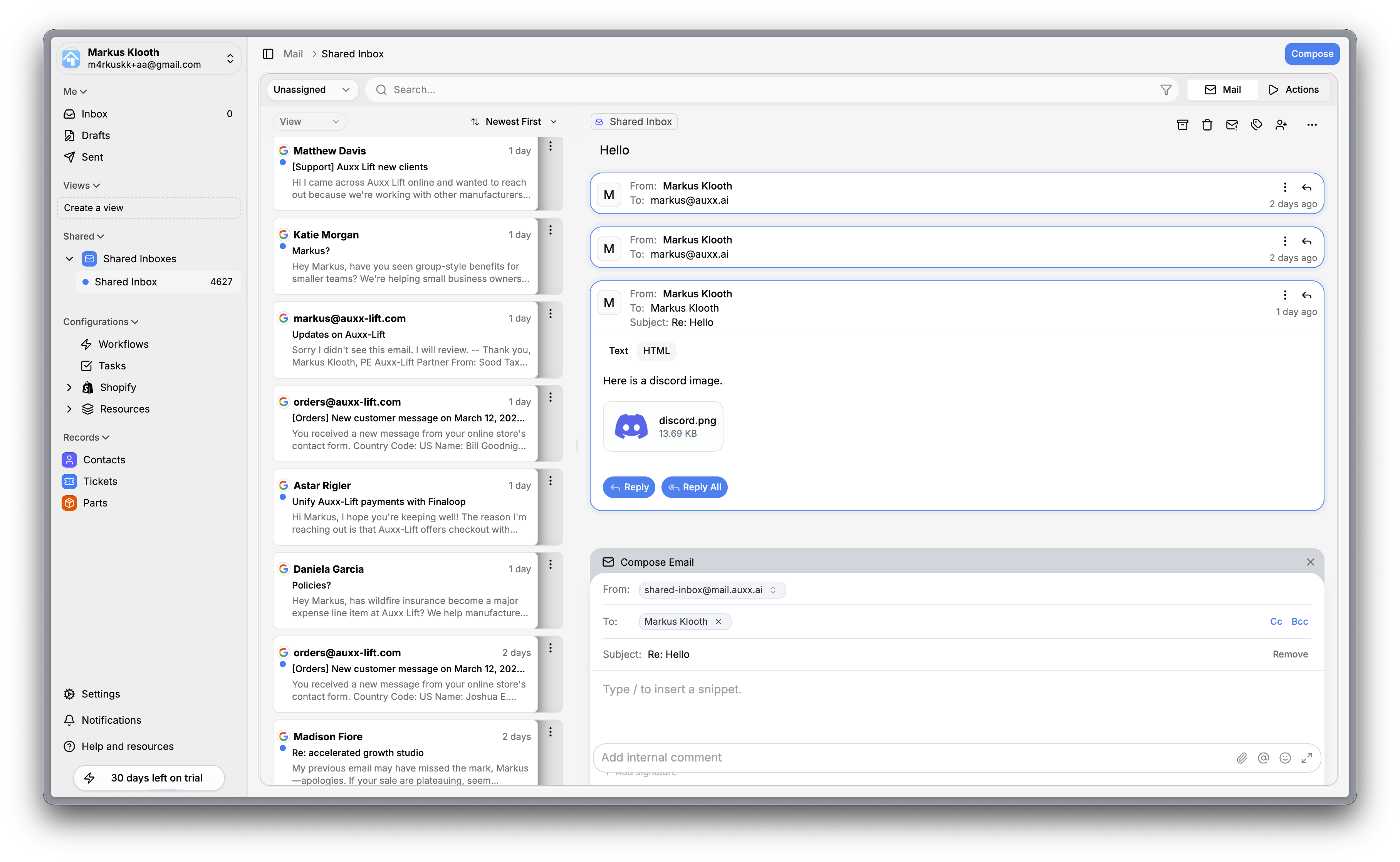
An open-source AI-powered email support ticket service for Shopify businesses. Integrates with Gmail and Outlook to provide automated customer support with workflow automation.
Features
- AI-powered automated response generation (OpenAI, Anthropic, Google, Groq)
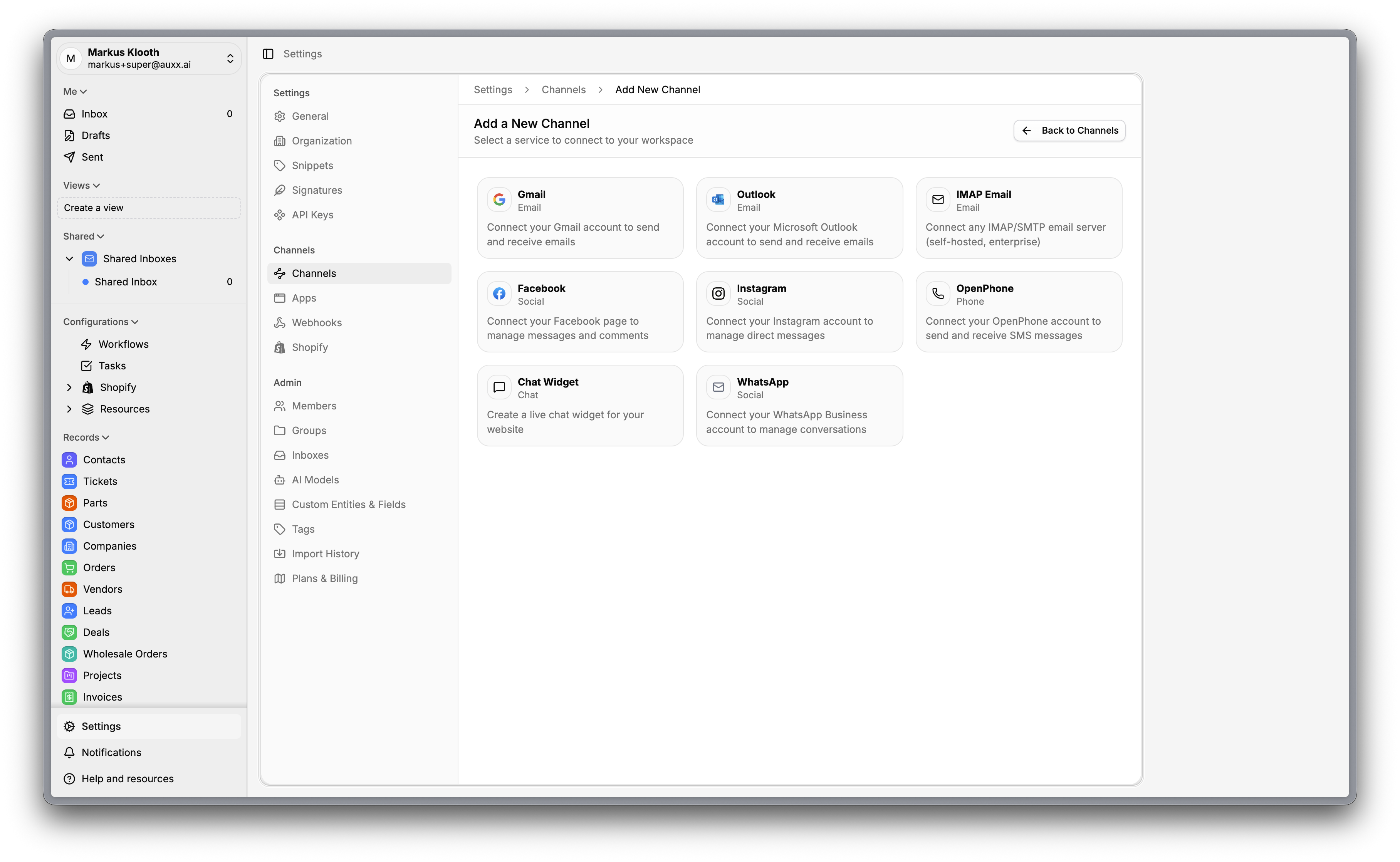
- Gmail & Outlook email integration
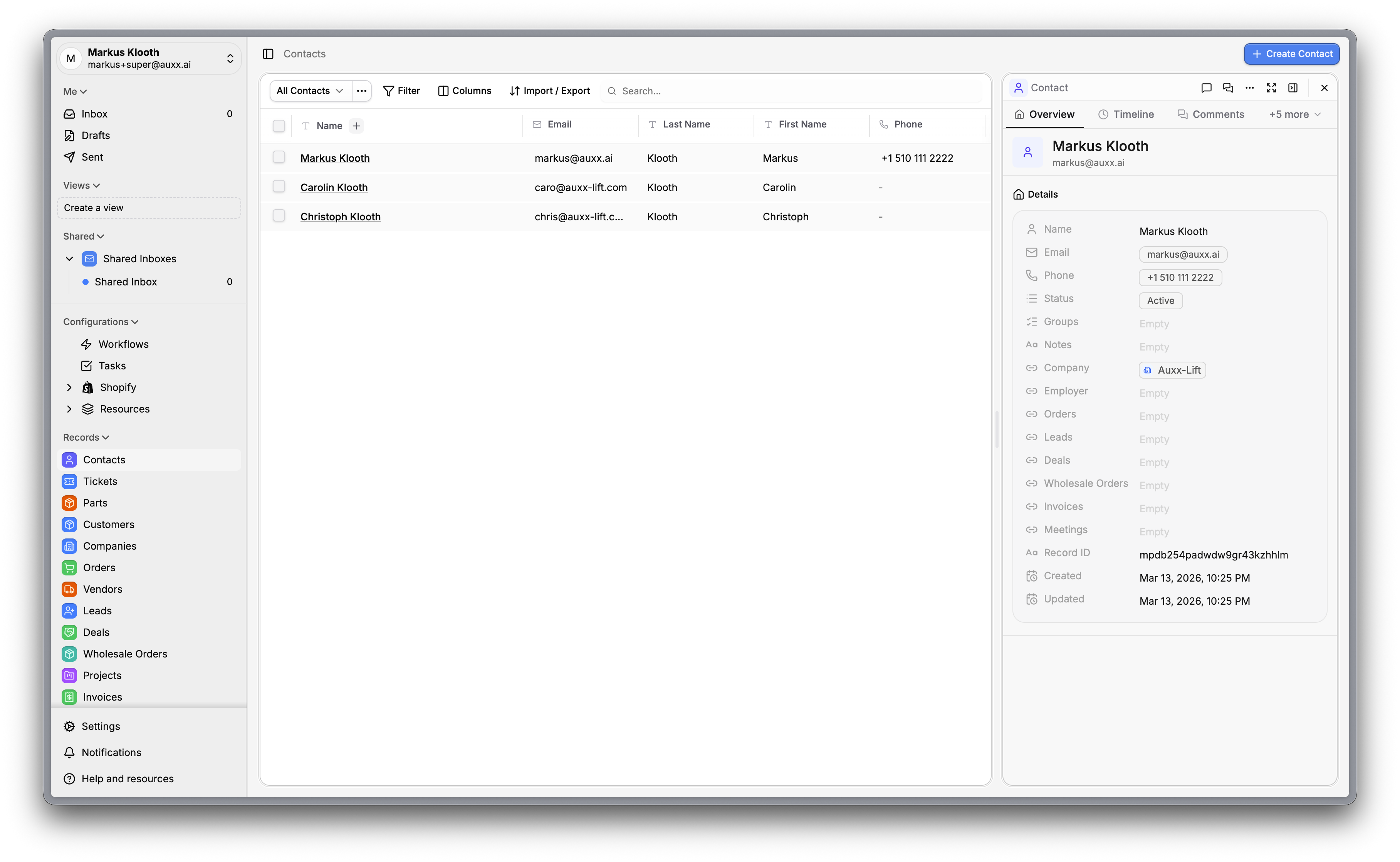
- Shopify integration for customer context
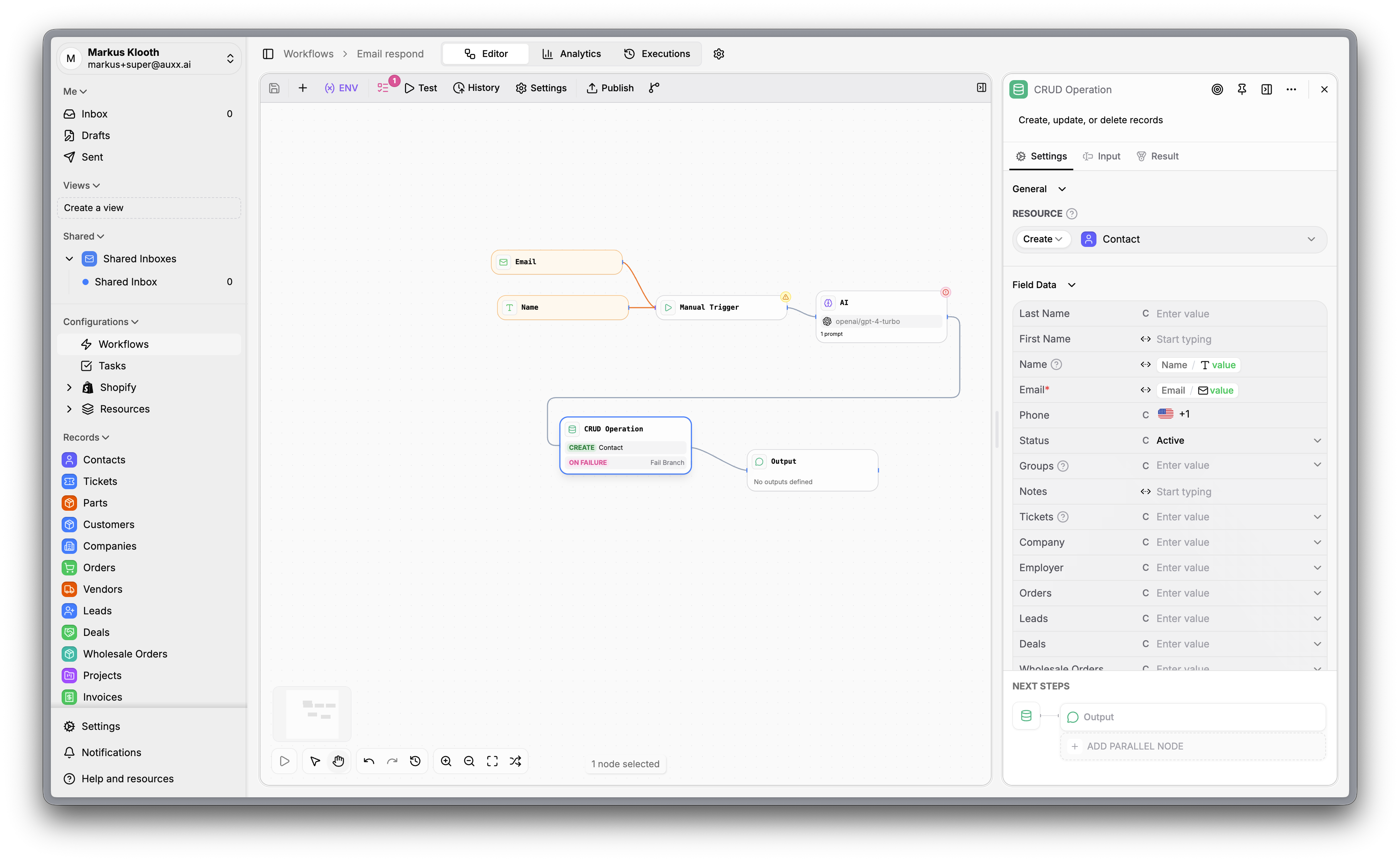
- Workflow automation engine
- Knowledge base for AI context
- Real-time notifications
- Multi-tenant organization support
- Comprehensive ticket management
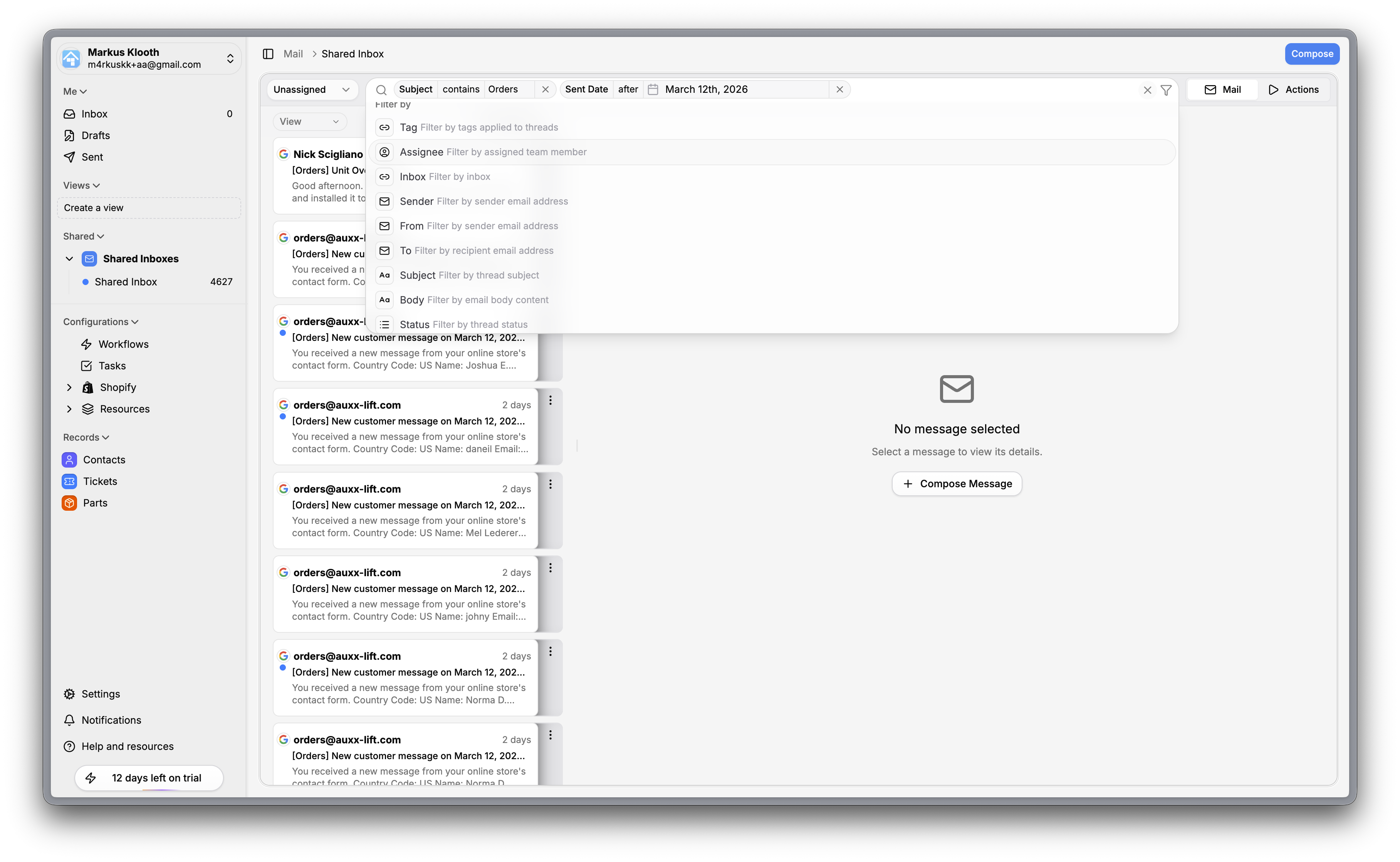
- Advanced filtering and searching
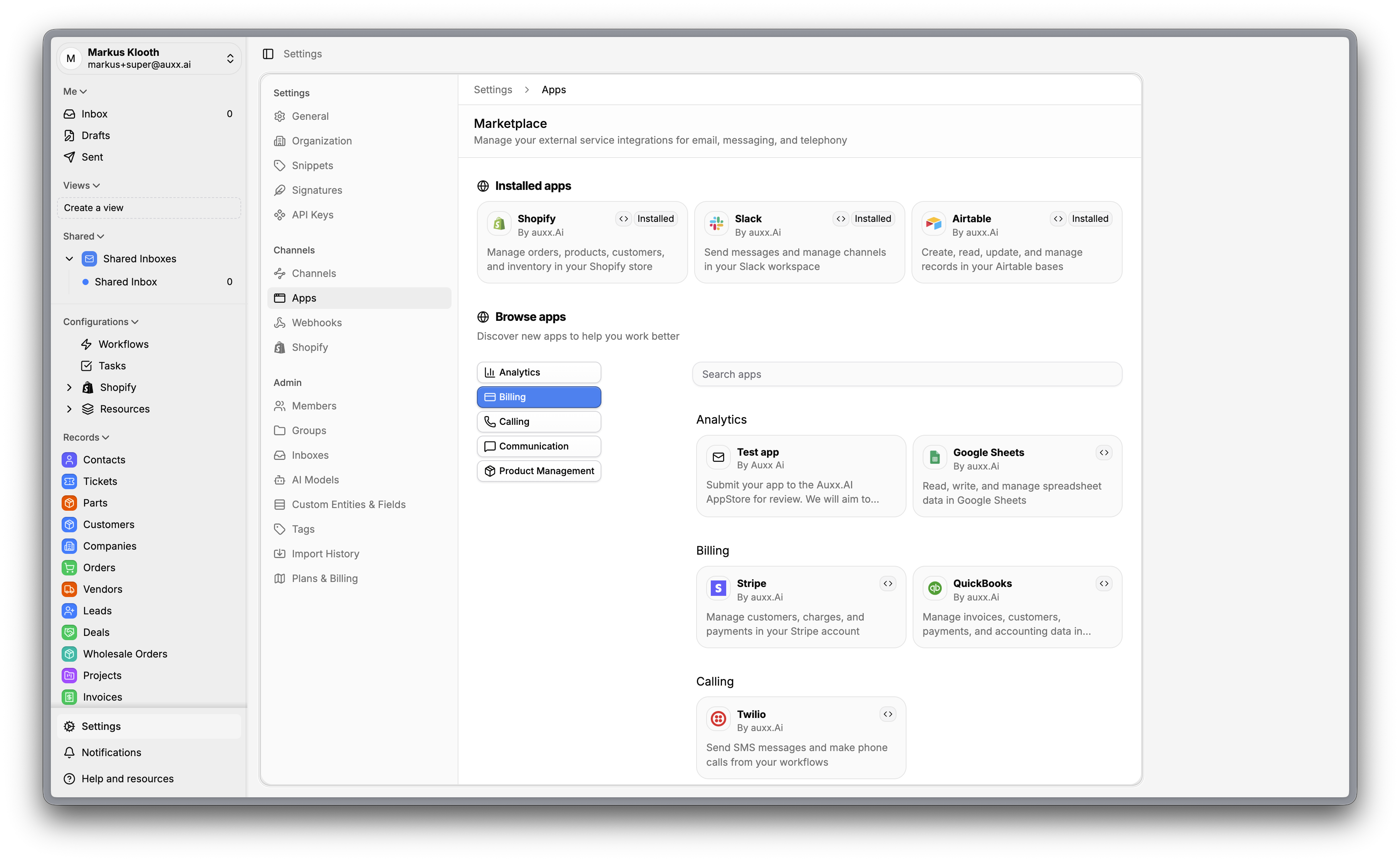
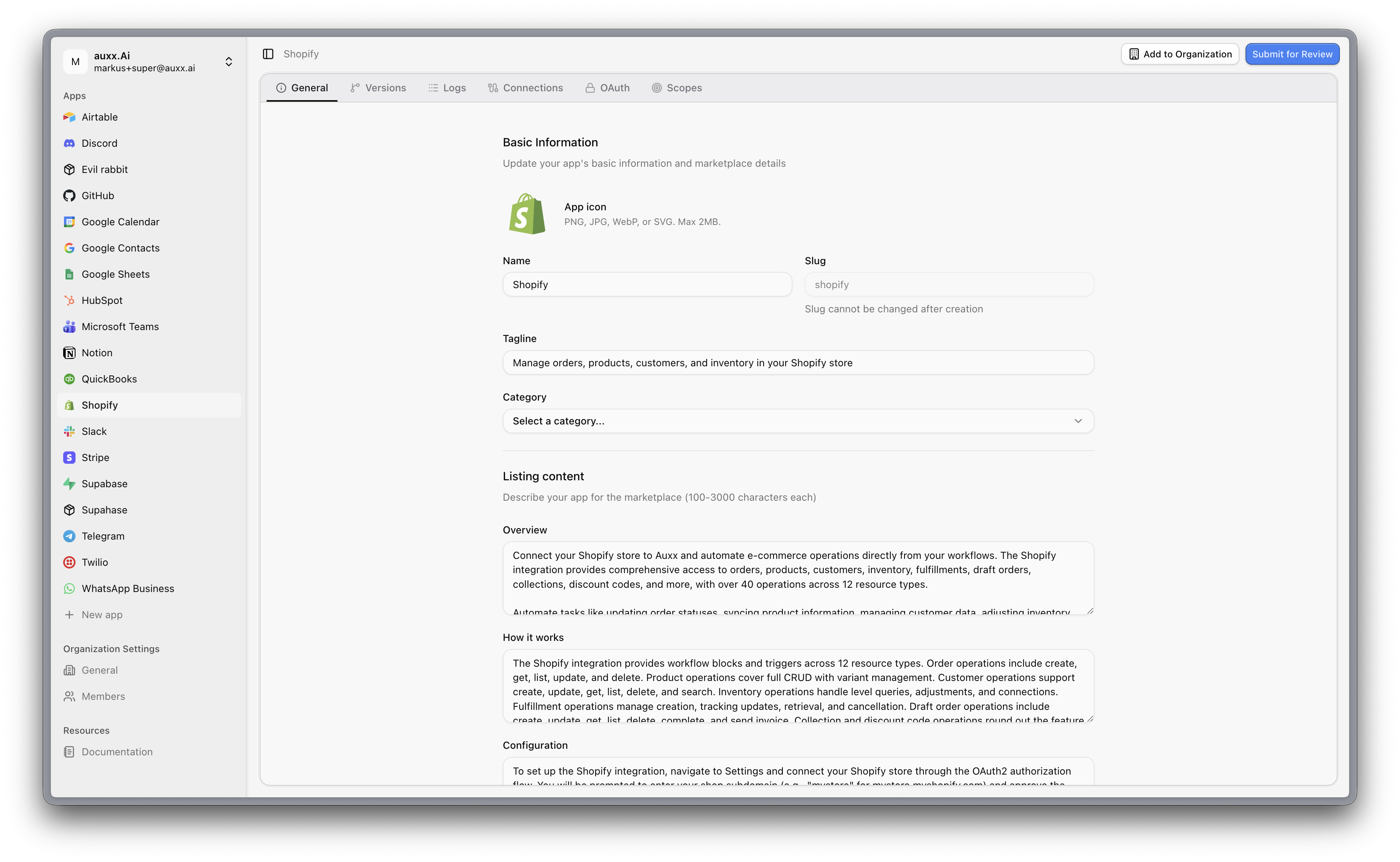
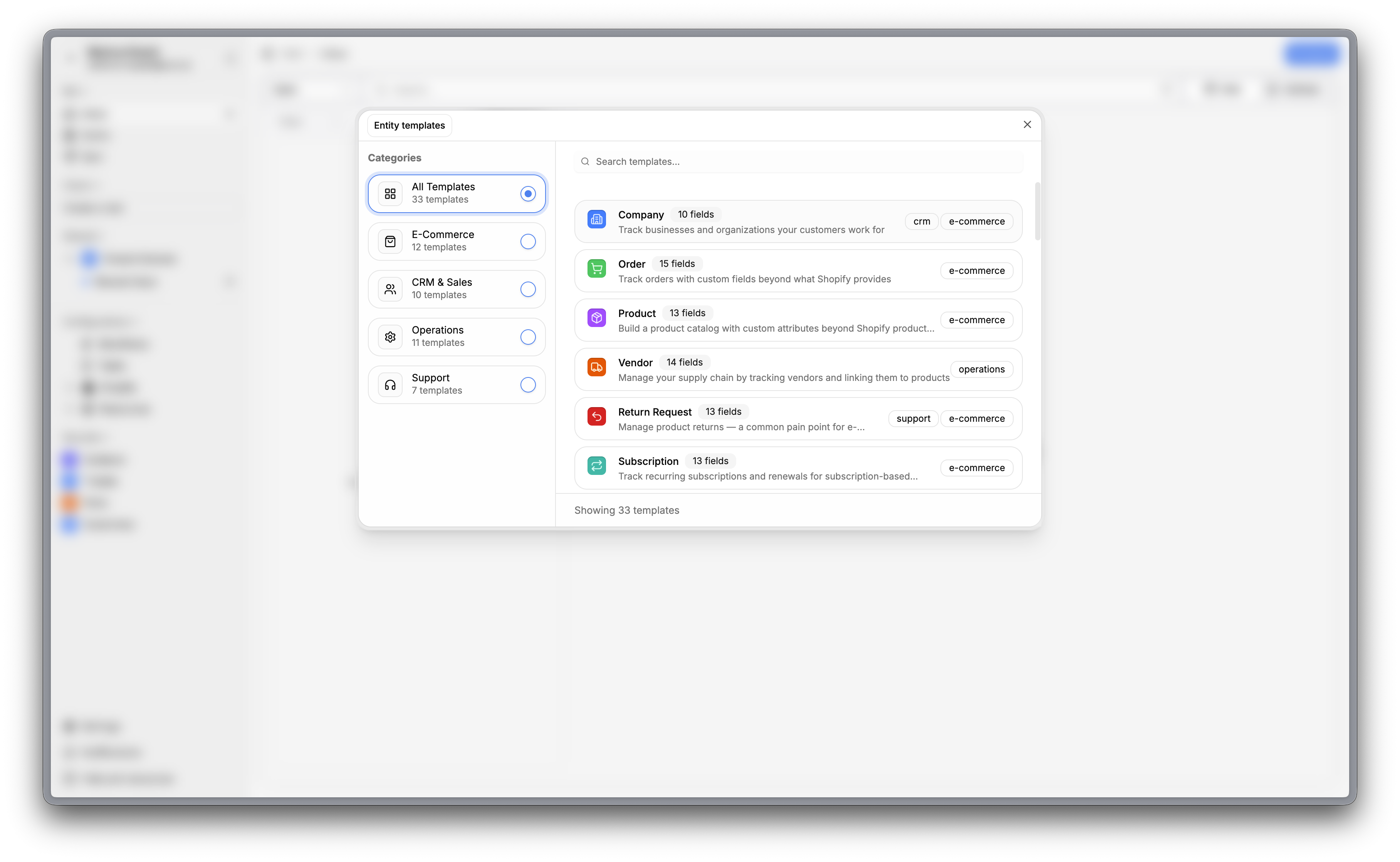
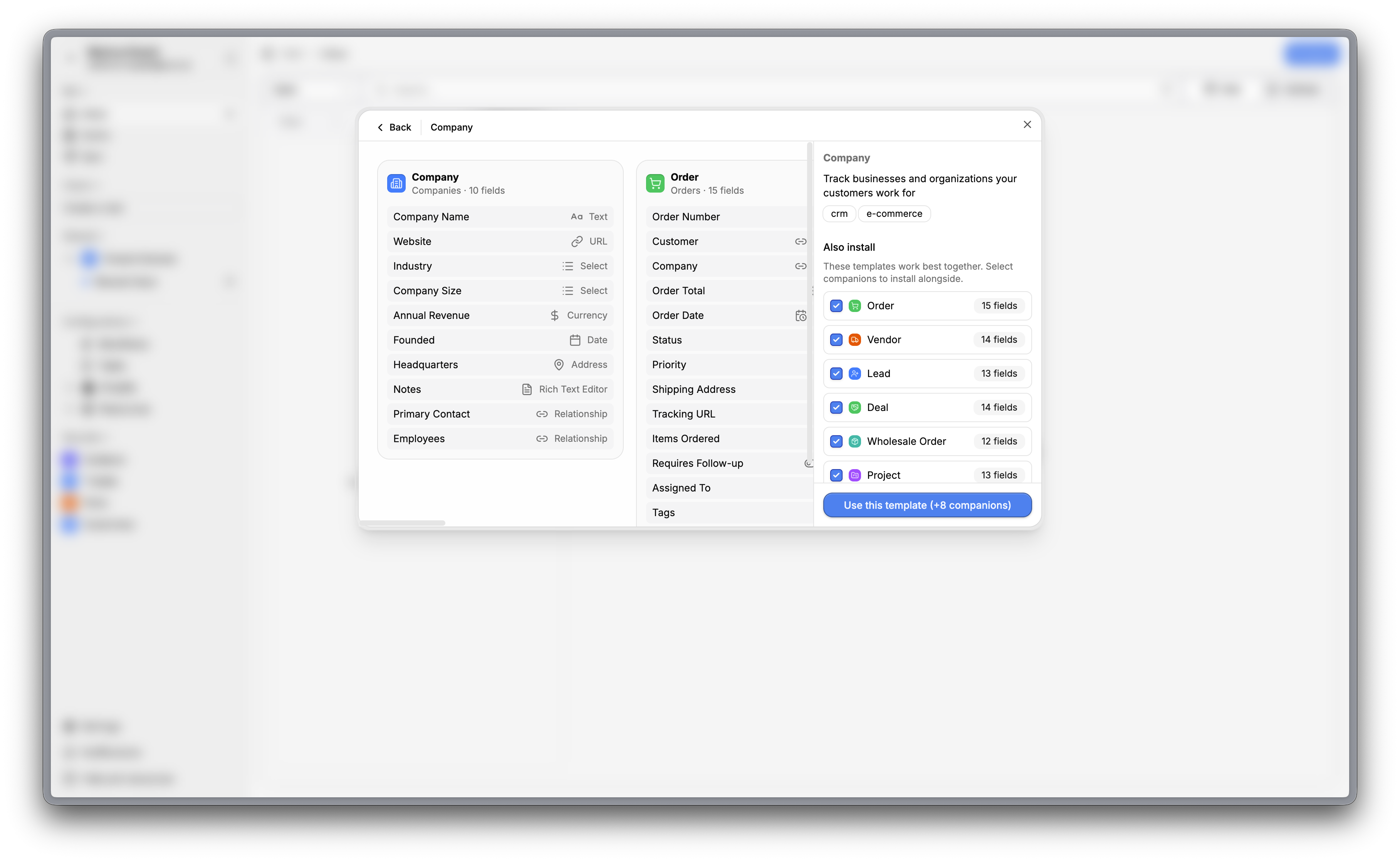
Screenshots
 |
 |
 |
 |
 |
 |
 |
 |
 |
Tech Stack
- Framework: Next.js 16.1 with React Server Components
- API: tRPC v11 with React Query
- Database: PostgreSQL with Drizzle ORM
- UI: TailwindCSS v4 with shadcn/ui components
- Forms: React Hook Form with Zod validation
- Caching: Redis
- Build: Turborepo
- Real-time: Pusher
- Deployment: SST (AWS) / Docker / Railway
- Package Manager: pnpm
Prerequisites
- Node.js 22 or later
- pnpm 10.17 or later
- PostgreSQL database
- Redis
Quick Start
1-Click Docker Setup (Recommended)
Run a single command to install and start Auxx.ai:
bash <(curl -sL https://raw.githubusercontent.com/Auxx-Ai/auxx-ai/main/docker/scripts/install.sh)
The install script automatically:
- Checks dependencies (Docker, Docker Compose v2, curl, openssl)
- Downloads
docker-compose.ymland.env.example - Generates all secrets (database password, Redis password, auth secret, Ed25519 keypair, etc.)
- Detects port conflicts and prompts for alternatives
- Starts all containers and waits for health checks
- Opens the app in your browser
Pin a specific version:
VERSION=0.1.64 bash <(curl -sL https://raw.githubusercontent.com/Auxx-Ai/auxx-ai/main/docker/scripts/install.sh)
Once running, visit http://localhost:3000 and follow the setup wizard.
First-time Setup
When you first run the application, you'll be guided through a setup wizard to:
- Create a super admin account
- Configure your organization details
- Set up initial settings
Environment Variables
| Category | Variables |
|---|---|
| Database | DATABASE_URL |
| Redis | REDIS_HOST, REDIS_PORT, REDIS_PASSWORD |
| Auth | AUTH_GOOGLE_*, AUTH_GITHUB_* |
| Gmail | GOOGLE_CLIENT_*, GOOGLE_PUBSUB_* |
| Outlook | OUTLOOK_CLIENT_*, OUTLOOK_WEBHOOK_* |
| Shopify | SHOPIFY_API_KEY, SHOPIFY_API_SECRET |
| AI Models | OPENAI_API_KEY, ANTHROPIC_API_KEY, GOOGLE_API_KEY, GROQ_API_KEY |
| Email Provider | EMAIL_PROVIDER, MAILGUN_* or SMTP_* |
| Storage | S3_BUCKET, S3_REGION, S3_ACCESS_KEY_ID, S3_SECRET_ACCESS_KEY |
| Payments | STRIPE_SECRET_KEY, STRIPE_WEBHOOK_SECRET |
| Real-time | PUSHER_* |
See individual .env.example files for complete configuration options.
Project Structure
├── apps/
│   ├── web/              # Main Next.js application
│   ├── api/              # API server
│   ├── worker/           # Background job processor
│   ├── kb/               # Knowledge base app
│   ├── lambda/           # AWS Lambda functions
│   ├── docs/             # Documentation site
│   ├── homepage/         # Marketing site
│   └── build/            # Build utilities
│
├── packages/
│   ├── database/         # Drizzle ORM schema & migrations
│   ├── ui/               # Shared UI components (shadcn)
│   ├── lib/              # Shared utilities
│   ├── config/           # Shared configuration
│   ├── services/         # Business logic services
│   ├── sdk/              # Auxx SDK
│   ├── email/            # Email handling
│   ├── redis/            # Redis client
│   ├── credentials/      # Credentials management
│   ├── billing/          # Stripe billing
│   ├── workflow-nodes/   # Workflow automation nodes
│   ├── logger/           # Logging utilities
│   ├── seed/             # Database seeding
│   ├── eslint-config/    # Shared ESLint config
│   └── typescript-config/# Shared TypeScript config
│
├── infra/                # Infrastructure configs
├── scripts/              # Utility scripts
└── docs/                 # Additional documentation
Development
Common Commands
# Start all apps in development mode
pnpm dev

# Build all packages
pnpm build

# Lint and format
pnpm lint
pnpm lint:fix
pnpm format

# Run tests
pnpm test
pnpm test:ui          # With Vitest UI
pnpm test:coverage    # With coverage report
Database Commands (Drizzle)
# Generate migrations after schema changes
pnpm db:generate

# Run migrations
pnpm db:migrate

# Open Drizzle Studio (database GUI)
pnpm db:studio

# Reset database
pnpm db:reset

# Seed database
pnpm seed
pnpm seed:dev         # Development seed
pnpm seed:test        # Test data seed
Contributing
Contributions are welcome! Please feel free to submit a Pull Request.
- Fork the repository
- Create your feature branch (
git checkout -b feature/amazing-feature) - Commit your changes (
git commit -m 'Add some amazing feature') - Push to the branch (
git push origin feature/amazing-feature) - Open a Pull Request
Support
If you encounter any problems or have questions, please open an issue on GitHub.