
🍌 Edit Banana
中文 | English
Universal Content Re-Editor: Make the Uneditable, Editable
Break free from static formats. Our platform empowers you to transform fixed content into fully manipulatable assets. Powered by SAM 3 and multimodal large models, it enables high-fidelity reconstruction that preserves the original diagram details and logical relationships.






Try It Now!

👆 Click above or https://www.editbanana.net/ to try Edit Banana online! Upload an image to get editable DrawIO (XML) in seconds.
[!WARNING] Please note: Our GitHub repository currently trails behind our web-based service. For the most up-to-date features and performance, we recommend using our web platform.
💬 Join WeChat Group
Welcome to join our WeChat group to discuss and exchange ideas! Scan the QR code below to join:

Scan to join the Edit Banana community
[!TIP] If the QR code has expired, please submit an Issue to request an updated one.
📮 Contact Us
For academic cooperation, technical docking, commercial licensing, project customization and other business inquiries, please contact us via email:
E-mail: [email protected]
📑 Table of Contents
- 📸 Effect Demonstration
- 🚀 Key Features
- 🛠️ Architecture Pipeline
- 📂 Project Structure
- 📦 Installation & Setup
- 🔤 Usage
- ⚙️ Configuration
- 📌 Development Roadmap
- 💬 Join WeChat Group
- 🤝 Contribution Guidelines
- 🤩 Contributors
- 📄 License
- 🌟 Star History
📸 Effect Demonstration
High-Definition Input-Output Comparison (4 Typical Scenarios)
To demonstrate the high-fidelity conversion effect, we provides one-to-one comparisons between 4 scenarios of "original static formats" and "editable reconstruction results". All elements can be individually dragged, styled, and modified.
Scenario 1: Figures to DrawIO
| 🔒 Original Static Diagram (Input · Non-editable) | 🔓 DrawIO Reconstruction Result (Output · Fully Editable) |
|---|---|
Example 1: Basic Flowchart 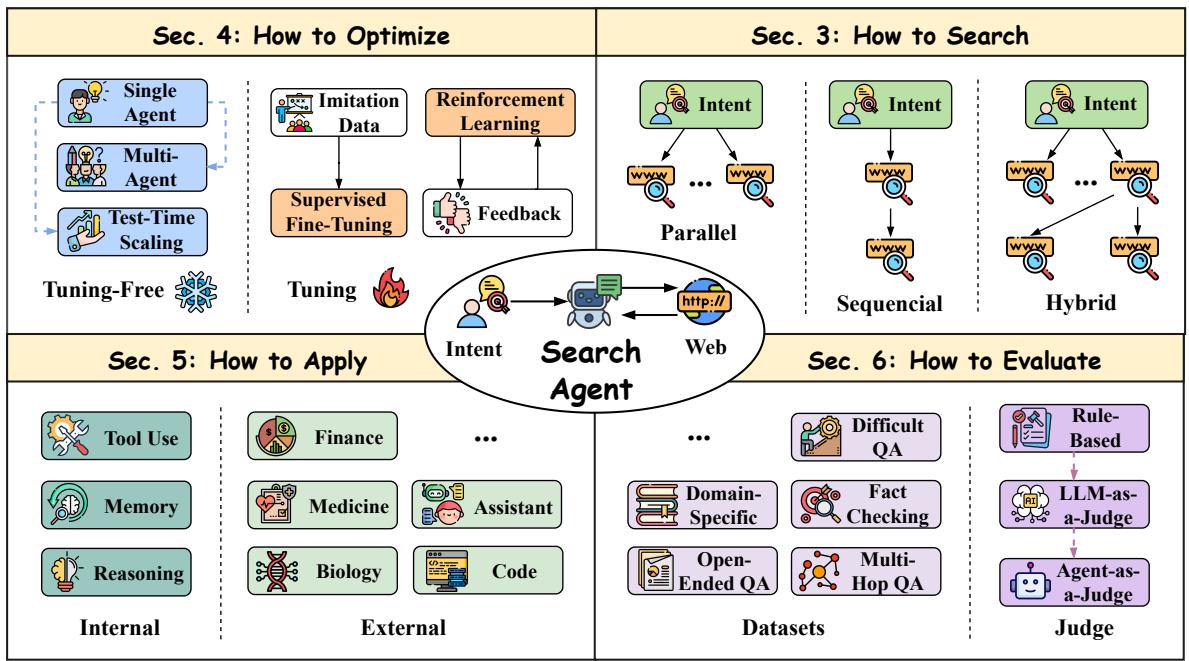 |
✨ Editable Flowchart 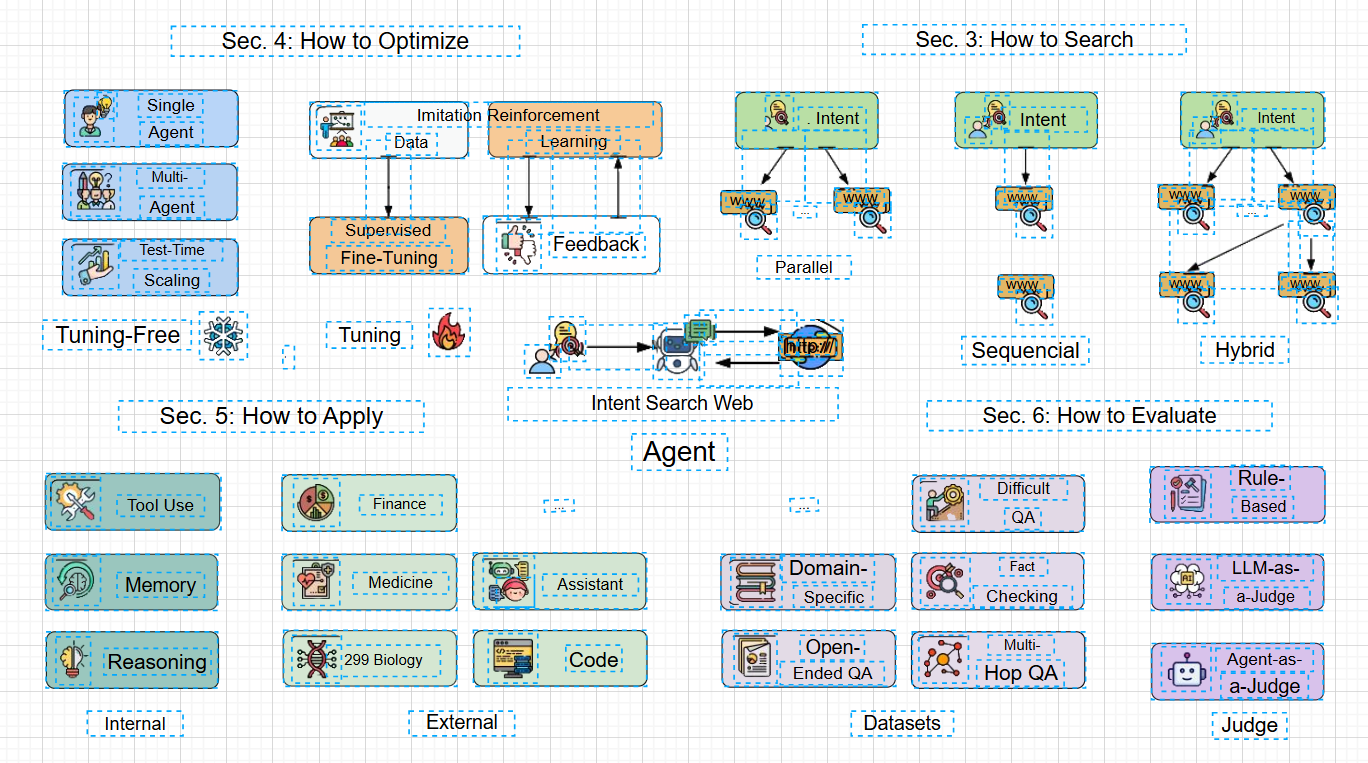 |
Example 2: Multi-level Architecture 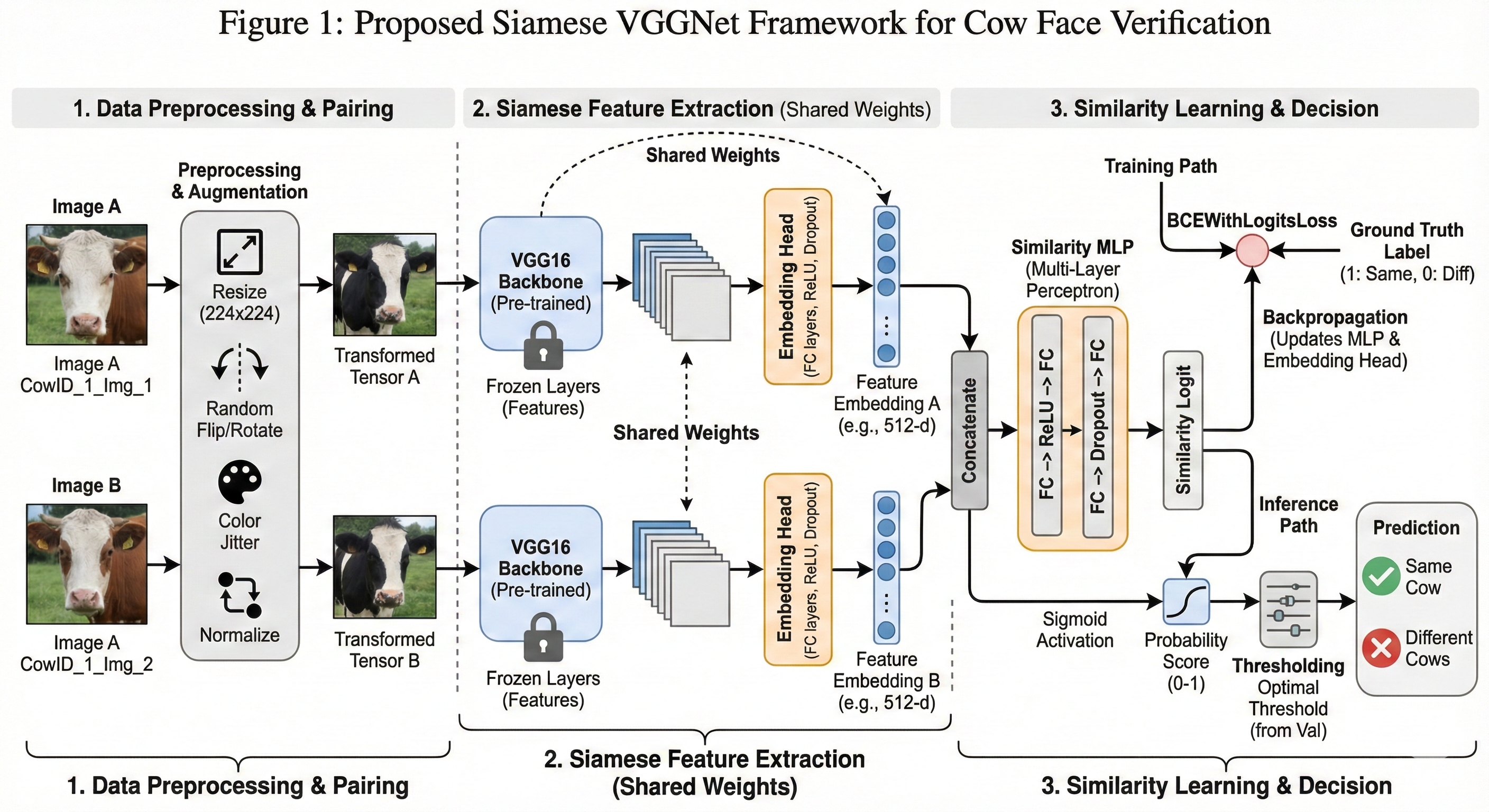 |
✨ Editable Architecture 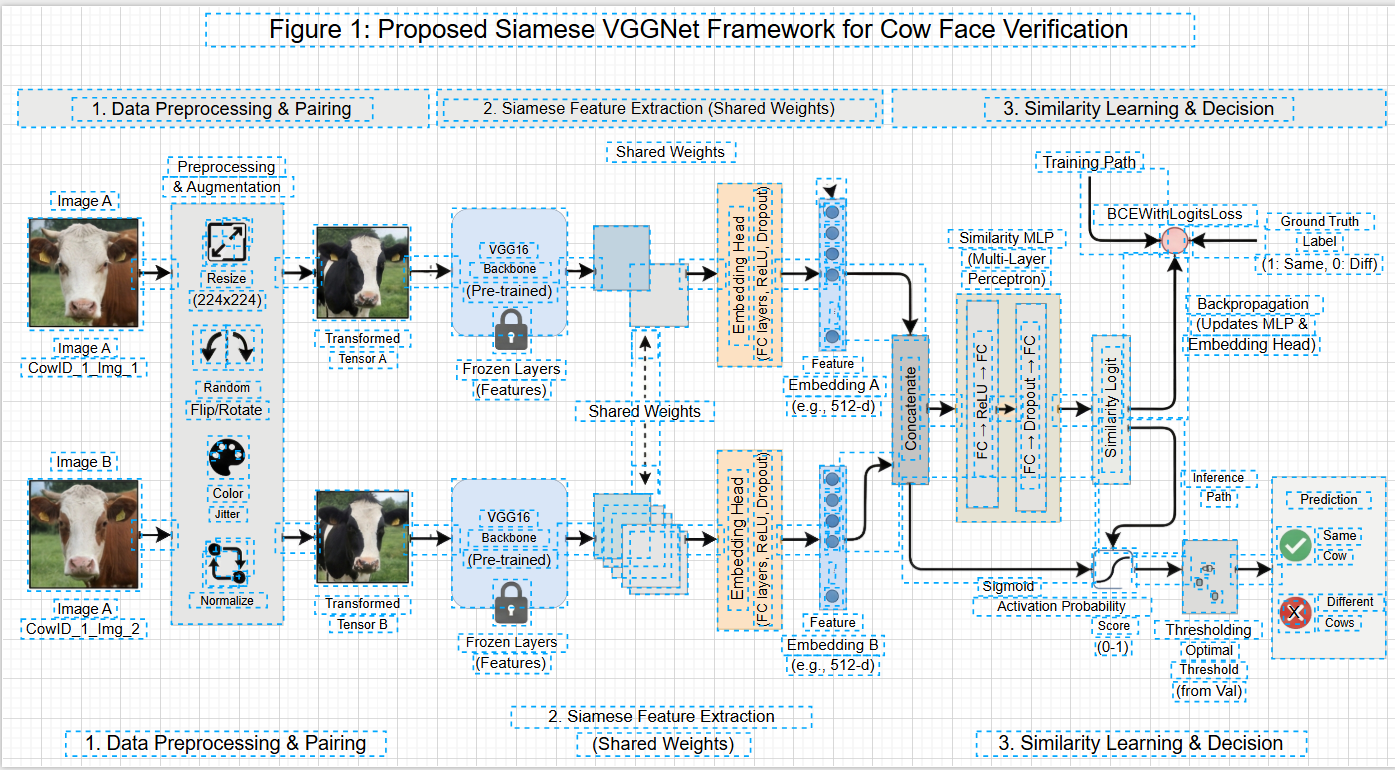 |
Example 3: Technical Schematic 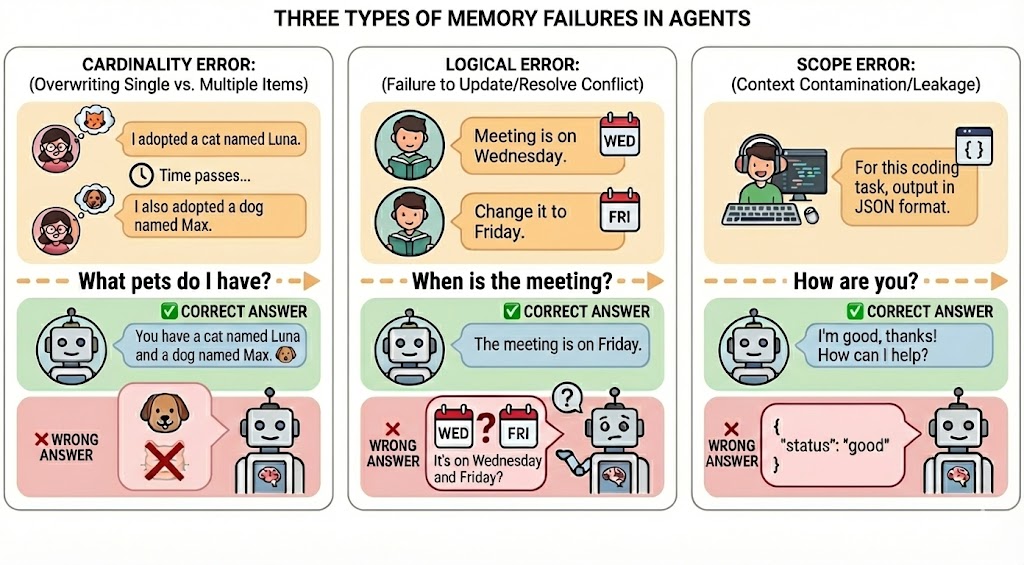 |
✨ Editable Schematic 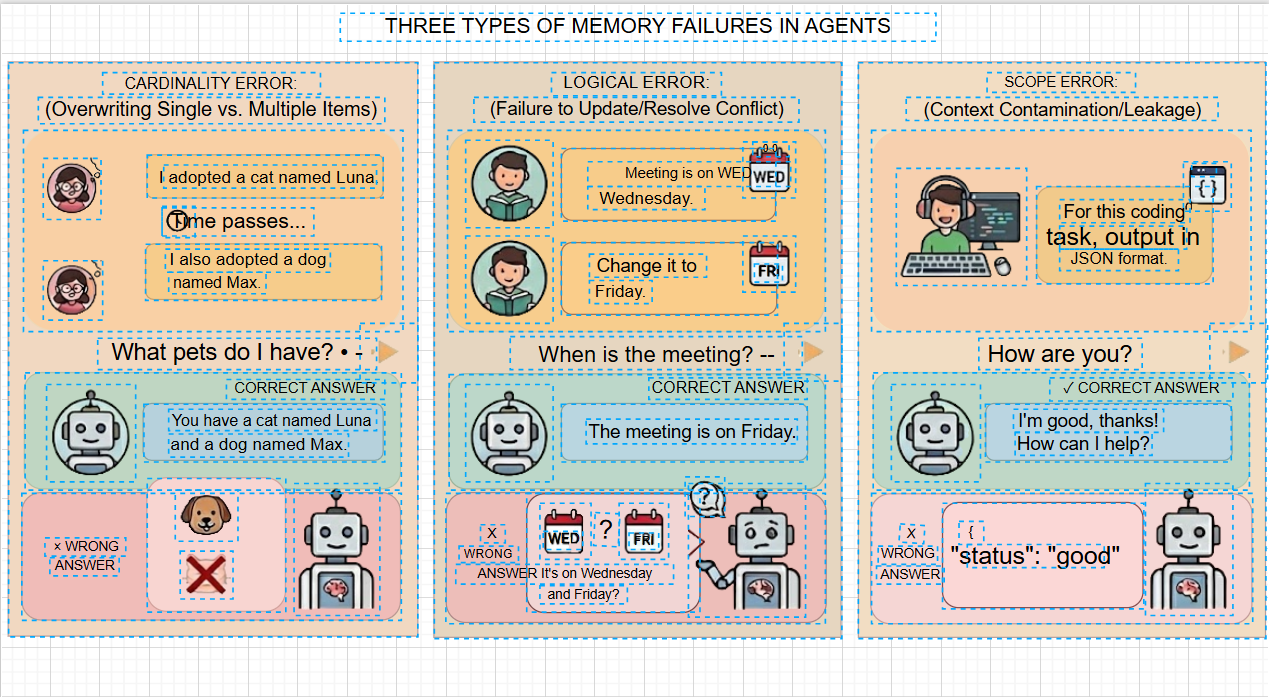 |
Example 4: Scientific Formula 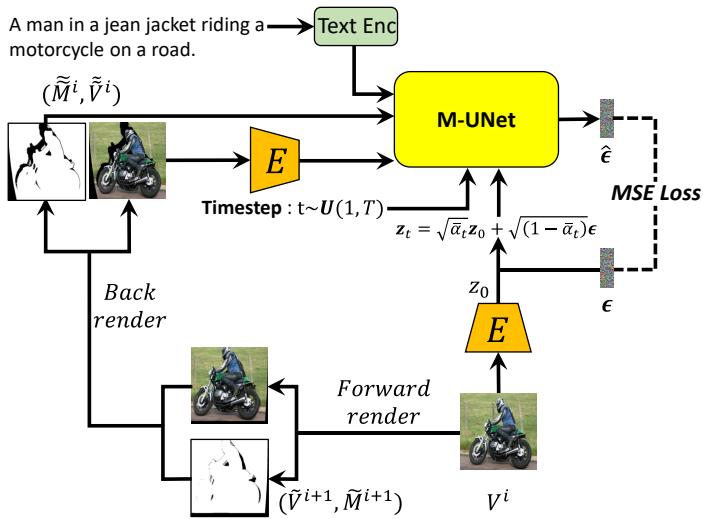 |
✨ Editable Formula 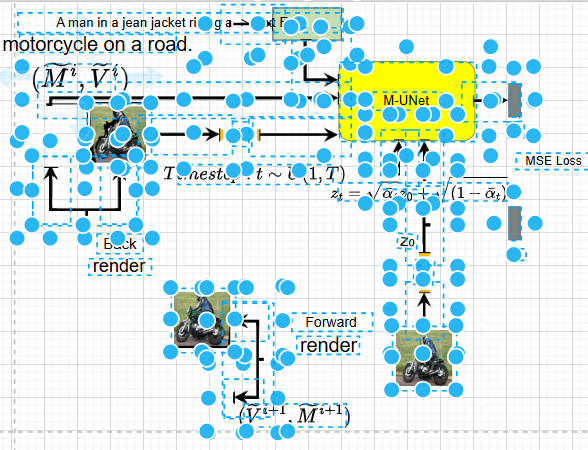 |
Scenario 2: Human in the Loop Modification
✨ Manual repair
✨ Save locally
[!NOTE] ✨ Conversion Highlights:
- Preserves the layout logic, color matching, and element hierarchy of the original diagram.
- 1:1 restoration of shape stroke/fill and arrow styles (dashed lines/thickness).
- Accurate text recognition, supporting direct subsequent editing and format adjustment.
- All elements are independently selectable, supporting native DrawIO template replacement and layout optimization.
🚀 Key Features
-
Advanced Segmentation: Using our fine-tuned SAM 3 (Segment Anything Model 3) for segmentation of diagram elements.
-
Fixed Multi-Round VLM Scanning: An extraction process guided by Multimodal LLMs.
-
Text Recognition:
- Local OCR for text localization; easy to install, runs offline.
- Pix2Text for mathematical formula recognition and LaTeX conversion .
- Crop-Guided Strategy: Extracts text/formula regions and sends high-res crops to the formula engine.
-
User System:
- Registration: New users receive 10 free credits.
- Credit System: Pay-per-use model prevents resource abuse.
- Multi-User Concurrency: Built-in support for concurrent user sessions using a Global Lock mechanism for thread-safe GPU access and an LRU Cache (Least Recently Used) to persist image embeddings across requests, ensuring high performance and stability.
🛠️ Architecture Pipeline
- Input: Image (PNG/JPG/BMP/TIFF/WebP).
- Segmentation (SAM3): Using our fine-tuned SAM3 mask decoder.
- Text Extraction (Parallel):
- Local OCR (Tesseract) detects text bounding boxes.
- High-res crops of text/formula regions are sent to Pix2Text for LaTeX conversion.
- DrawIO XML Generation: Merging spatial data from SAM3 and text OCR results.
📂 Project Structure
Click to expand project structure
Edit-Banana/
├── config/               # Configuration files (copy config.yaml.example → config.yaml)
├── flowchart_text/       # OCR & Text Extraction Module (standalone entry)
│   ├── src/
│   └── main.py             # OCR-only entry point
├── input/                # [Manual] Input images directory
├── models/               # [Manual] Model weights (SAM3) and optional BPE vocab
├── output/               # [Manual] Results directory
├── sam3/                 # SAM3 library (see Installation: install from facebookresearch/sam3)
├── sam3_service/         # SAM3 HTTP service (optional, for multi-process deployment)
├── scripts/              # Setup and utility scripts
│   ├── setup_sam3.sh       # Install SAM3 lib and copy BPE to models/
│   ├── setup_rmbg.py       # Download RMBG model from ModelScope
│   └── merge_xml.py        # XML merge utilities
├── main.py               # CLI entry (modular pipeline)
├── server_pa.py          # FastAPI backend server
└── requirements.txt      # Python dependencies
📦 Installation & Setup
Follow these core phases to set up the project locally.
Phase 1: Environment & Base Setup
Configure your base environment and directory structure.
1. Prerequisites & Environment
-
Python 3.10+** & CUDA-capable GPU (Highly recommended)
-
Install PyTorch with CUDA support (e.g., for CUDA 11.8):
pip install torch torchvision --index-url https://download.pytorch.org/whl/cu118
2. Clone Repository & Init Directories
git clone https://github.com/BIT-DataLab/Edit-Banana.git
cd Edit-Banana
mkdir -p input output sam3_output
Phase 2: Models & Core Dependencies
Next, install the required packages and download necessary model weights (which should be placed in models/ and not committed).
1. Base Dependencies
pip install -r requirements.txt
2. SAM3 & Model Assets
-
SAM3 Library & BPE: Run
bash scripts/setup_sam3.shto install the lib and copy the BPE vocab tomodels/. Verify with:python -c "from sam3.model_builder import build_sam3_image_model; print('OK')" -
SAM3 Weights: Download sam3.pt from ModelScope or Hugging Face and place it under
models/sam3_ms. -
Text Local OCR (Tesseract):
sudo apt install tesseract-ocr tesseract-ocr-chi-sim
🧩 Optional Capabilities (OCR Engine, Formula, RMBG) - Click to expand
-
PaddleOCR (Alternative/Better for mixed text): Use paddlepaddle==3.2.2 (avoiding 3.3.0 bug).
pip install paddlepaddle==3.2.2 paddleocr. -
Formula (Pix2Text):
pip install pix2text onnxruntime-gpu. -
Background Removal (RMBG):
pip install onnxruntime modelscopethen runpython scripts/setup_rmbg.py.
Phase 3: Configuration & Troubleshooting
1. Final Configuration
Copy the example config and adjust the asset paths:
cp config/config.yaml.example config/config.yaml
Edit config.yaml to ensure sam3.checkpoint_path and sam3.bpe_path match your models/ locations.
🛠️ Before First Run Checklist & Troubleshooting - Click to expand
Checklist:
- Config files copied and model paths set in
config.yaml - SAM3 weights (
sam3.pt) and BPE vocab placed undermodels/ - Extracted SAM3 library via
scripts/setup_sam3.shTesseract or PaddleOCR installed
Common Issues:
- "no kernel image is available...": GPU arch mismatch. Upgrade PyTorch or set
sam3.device: "cpu". - "Model file not found at ...rmbg/...": RMBG is optional. Enable by downloading via script.
- "PaddleOCR inference failed...": Use
paddlepaddle==3.2.2or fallback to Tesseract.
🔤 Usage
Command Line Interface (CLI)
Supports image files (PNG, JPG, BMP, TIFF, WebP). To process a single image:
python main.py -i input/test_diagram.png
The output XML will be saved in the output/ directory. For batch processing, put images in input/ and run python main.py without -i.
Run and test locally
-
One-time setup
git clone https://github.com/BIT-DataLab/Edit-Banana.git && cd Edit-Banana
python3 -m venv .venv && source .venv/bin/activate   # Linux/macOS; Windows: .venv\Scripts\activate
pip install torch torchvision --index-url https://download.pytorch.org/whl/cu118   # or CPU build
pip install -r requirements.txt
sudo apt install tesseract-ocr tesseract-ocr-chi-sim   # OCR (or equivalent on your OS)
Install the SAM3 library and download model weights + BPE. Then:
mkdir -p input output cp config/config.yaml.example config/config.yaml # Edit config/config.yaml: set sam3.checkpoint_path and sam3.bpe_path to your models/ paths -
Test with CLI
# Put a diagram image in input/, e.g. input/test.png python main.py -i input/test.png # Output appears under output/<image_stem>/ (DrawIO XML and intermediates) -
Optional: test the web API
python server_pa.py
# In another terminal:
curl -X POST http://localhost:8000/convert -F "file=@input/test.png"
# Or open http://localhost:8000/docs and use the /convert endpoint with a file upload
⚙️ Configuration
Customize the pipeline behavior in config/config.yaml:
-
sam3: Adjust score thresholds, NMS (Non-Maximum Suppression) thresholds, max iteration loops.
-
paths: Set input/output directories.
-
dominant_color: Fine-tune color extraction sensitivity.
📌 Development Roadmap
| Feature Module | Status | Description |
|---|---|---|
| Core Conversion Pipeline | ✅ Completed | Full pipeline of segmentation, reconstruction and OCR |
| Intelligent Arrow Connection | ⚠️ In Development | Automatically associate arrows with target shapes |
| DrawIO Template Adaptation | 📍 Planned | Support custom template import |
| Batch Export Optimization | 📍 Planned | Batch export to DrawIO files (.drawio) |
| Local LLM Adaptation | 📍 Planned | Support local VLM deployment, independent of APIs |
🤝 Contribution Guidelines
Contributions of all kinds are welcome (code submissions, bug reports, feature suggestions):
- Fork this repository
- Create a feature branch (
git checkout -b feature/xxx) - Commit your changes (
git commit -m 'feat: add xxx') - Push to the branch (
git push origin feature/xxx) - Open a Pull Request
Bug Reports: Issues Feature Suggestions: Discussions
📄 License
This project is open-source under the Apache License 2.0, allowing commercial use and secondary development (with copyright notice retained).
🌟 Star History
🌟 If this project helps you, please star it to show your support!