
Ktor Panel






A lightweight, customisable admin interface library for Ktor applications. Ktor Panel provides a simple way to manage your database entities through an intuitive and secure web interface with minimal configuration.
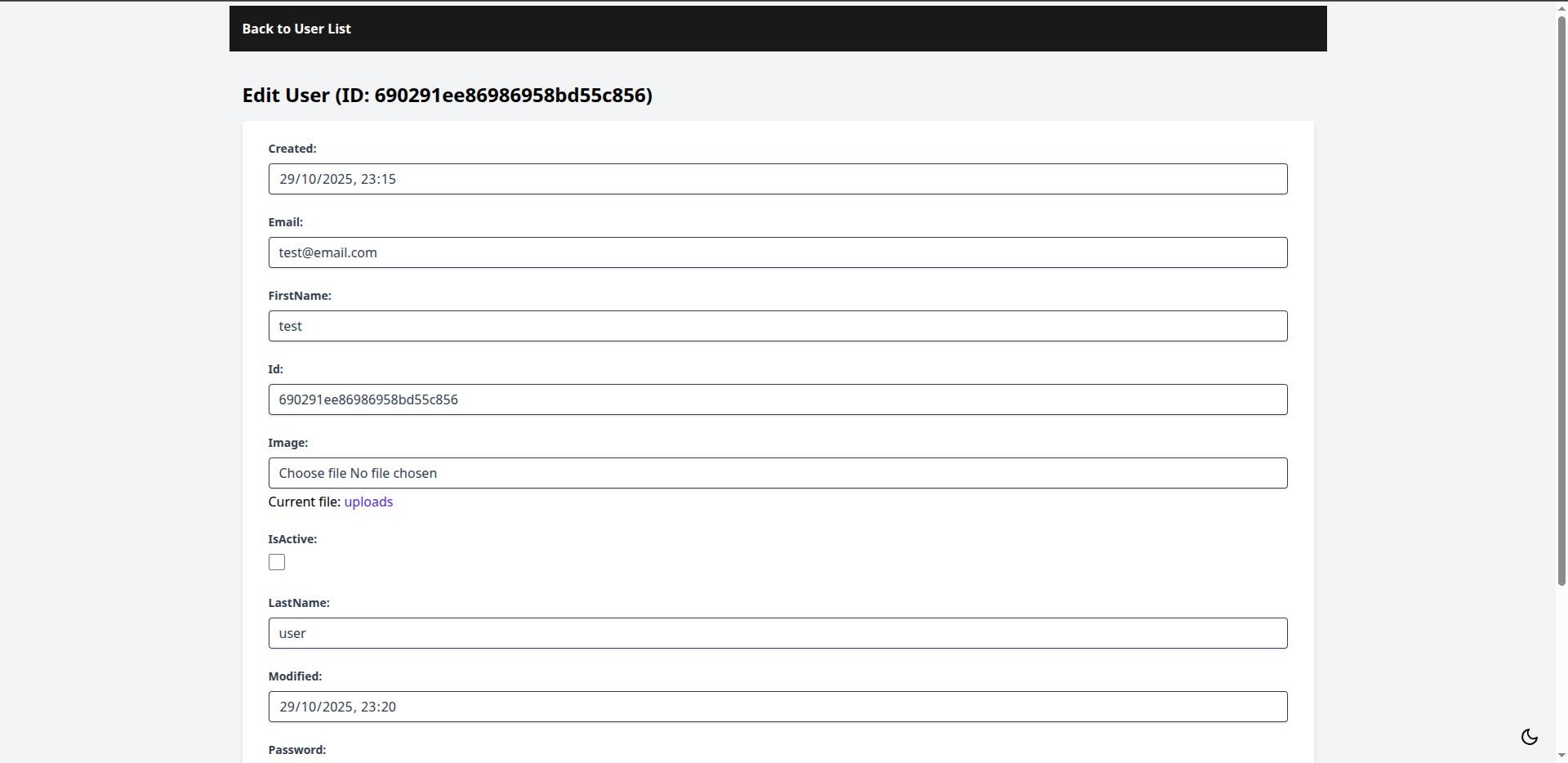
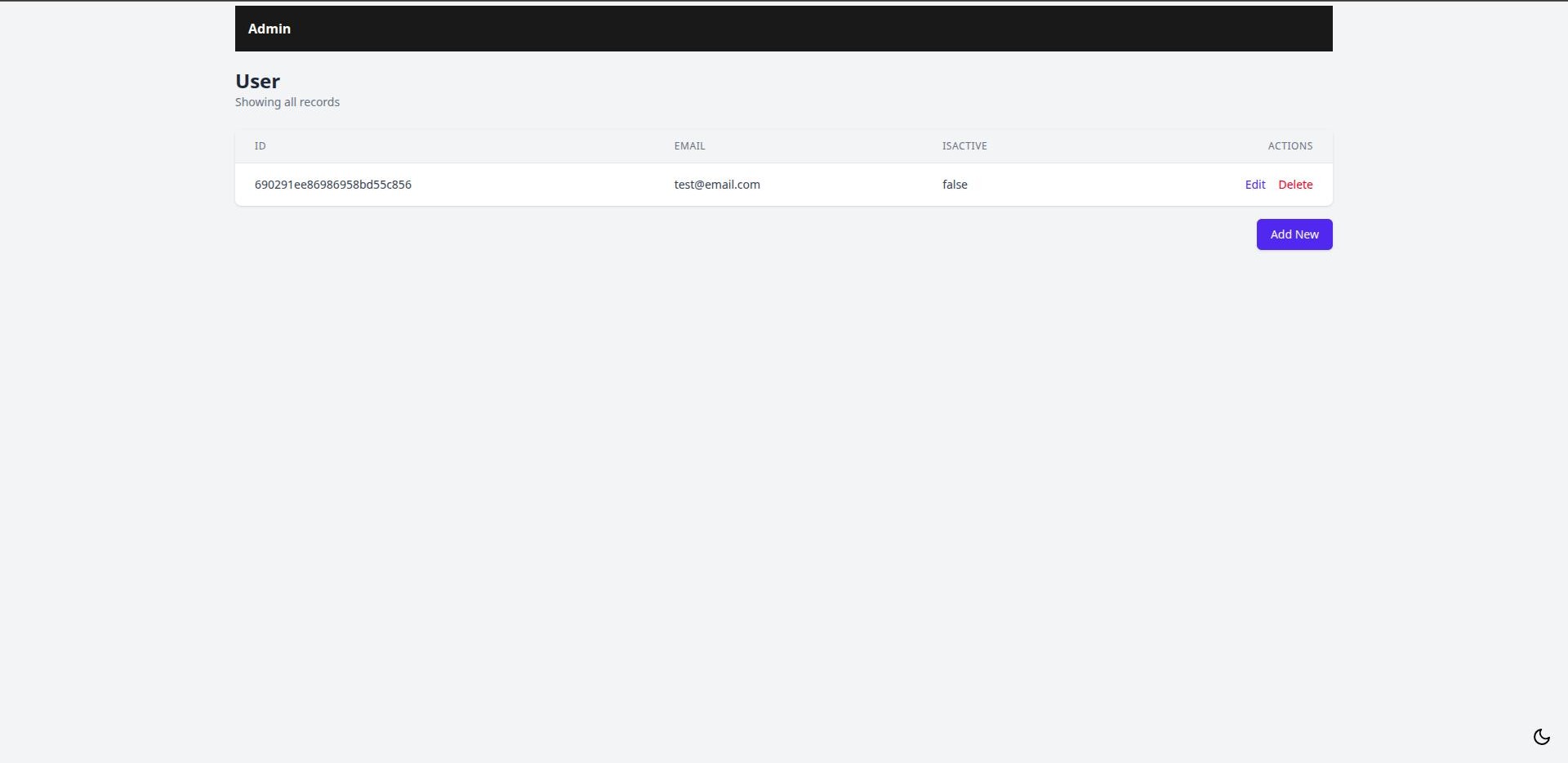
Live Demo
Try the live demo here: https://ktor-panel.daimones.xyz
Note:
Useadminas both the username and password to log in to the demo.
Installation
Gradle (Kotlin DSL)
dependencies {
    implementation("xyz.daimones:ktor-panel:0.4.2")
}
Gradle (Groovy)
dependencies {
    implementation 'xyz.daimones:ktor-panel:0.4.2'
}
Maven
<dependency>
    <groupId>xyz.daimones</groupId>
    <artifactId>ktor-panel</artifactId>
    <version>0.4.2</version>
</dependency>
Quick Start
Basic Setup
// Import necessary components
import xyz.daimones.ktor.panel.Admin
import xyz.daimones.ktor.panel.Configuration
import xyz.daimones.ktor.panel.EntityView
import org.jetbrains.exposed.sql.Database

fun Application.configureAdminPanel(database: Database) {
    // Create admin configuration
    val config = Configuration(
        url = "admin",           // Access at /admin
        adminName = "My App Admin"
    )

    // Initialise admin panel
    val admin = Admin(this, config, database)

    // Add your entities to the admin panel
    admin.addViews(arrayOf(EntityView(Users::class), EntityView(Products::class)))
}
Add to your Ktor application
fun Application.module() {
    // Configure other Ktor features
    install(ContentNegotiation) {
        json()
    }

    // Setup your database connection
    val database = Database.connect(
        "jdbc:h2:mem:test;DB_CLOSE_DELAY=-1",
        driver = "org.h2.Driver"
    )

    // OPTIONAL: Install Mustache for templates (by default ktor-panel configures Mustache for rendering views)
    install(Mustache) {
        val roots = listOf("templates", "panel_templates")
        mustacheFactory = object : DefaultMustacheFactory() {
            override fun getReader(resourceName: String): Reader {
                for (root in roots) {
                    val stream = this.javaClass.classLoader.getResourceAsStream("$root/$resourceName")
                    if (stream != null) {
                        return stream.reader()
                    }
                }
                throw java.io.FileNotFoundException("Template $resourceName not found in $roots")
            }
        }
    }

    // Add admin panel
    configureAdminPanel(database)
}
Customisation
Custom Configuration
val config = Configuration(
    url = "dashboard",          // Change URL to /dashboard
    endpoint = "/",             // Set index endpoint
    setAuthentication = true,   // Enable authentication (default is true)
    adminName = "Custom Admin", // Change admin panel name
    adminUsername = "my_admin", // Set the default username
    adminPassword = "a_very_strong_password" // Set the default password
)
Important: For production environments, always change the default
adminUsernameandadminPassword.
Custom Templates
Create your own Mustache templates in your resources directory to override the defaults:
kt-panel-login.hbs- Login form templatekt-panel-logout.hbs- Logout templatekt-panel-index.hbs- Main dashboard templatekt-panel-list.hbs- List view for database recordskt-panel-create.hbs- Form for creating new recordskt-panel-details.hbs- Detailed view of a recordkt-panel-delete.hbs- Confirmation for deleting records
Testing
To run the tests for this project, you can use the following Gradle command:
./gradlew :lib:test
After running the tests, you can find:
- Test reports in the
lib/build/reports/tests/test/directory - Test coverage reports in the
lib/build/reports/jacoco/test/directory
Documentation
To build the Sphinx documentation, use the following command:
sphinx-build docs docs/_build
Issues
If you encounter any bugs, problems, or have feature requests, please open an issue in the GitHub Issues section.
Contributing
Contributions are welcome! Please feel free to submit a Pull Request.
- Fork the repository
- Create your feature branch (
git checkout -b feature/amazing-feature) - Commit your changes (
git commit -m 'feat: Add some amazing feature') - Push to the branch (
git push origin feature/amazing-feature) - Open a Pull Request
License
This project is licensed under the BSD 3-Clause License - see the LICENSE file for details.
Acknowledgments
- Ktor - Kotlin async web framework
- Exposed - Kotlin SQL library
- Hibernate - Java ORM library
- MongoDB Kotlin Driver - Official MongoDB driver for Kotlin
- Mustache - Logic-less templates
- FreeMarker - Java template engine
- Thymeleaf - Modern server-side Java template engine
- Flask-Admin - Inspiration for this project